
Prioritize and Focus | Applied Wisdom for Nonprofits
Episode 06

Prioritize and Focus Podcast

Nonprofit boards and staff teams must prioritize and focus on the most important decisions and tasks. Taking time to plan creates a useful rhythm and routine.

View Course Module →

Board priorities

Nonprofit boards have three primary governance responsibilities. Priority one is setting strategic direction. Second is ensuring adequate financial and human resources. And third is providing oversight to fulfill the nonprofit's mission.

Part of a board's value is its ability to take the long view. Being a thought partner to the chief executive offers your nonprofit a broad range of perspectives. Recruiting a diverse board with a variety of functional experiences from different industries and among different stakeholder groups will produce a healthy mix of viewpoints, advice, and counsel. The chief executive and the board chair should prioritize and focus on the most important decisions to be made.


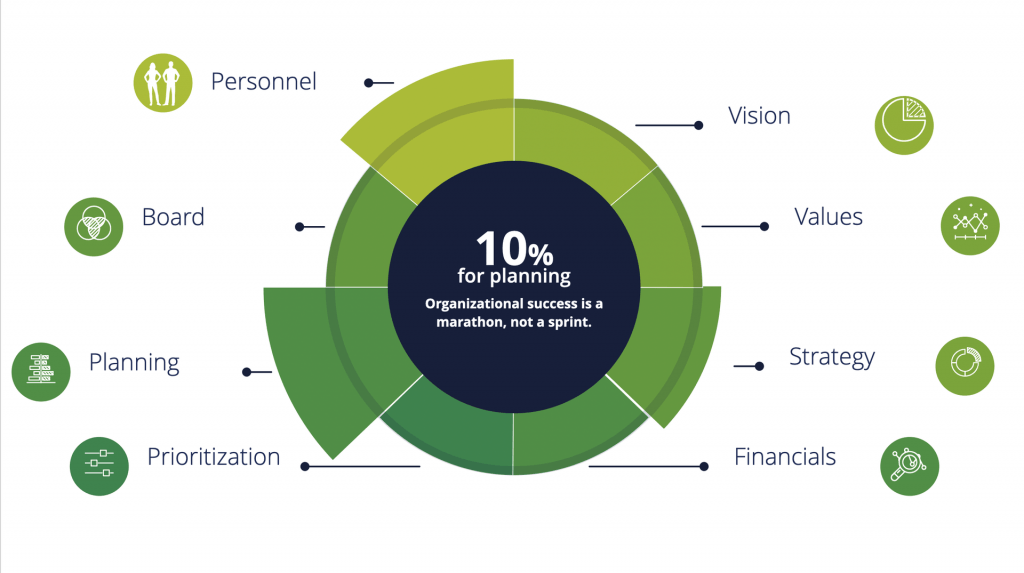
10% for planning

Planning to implement a nonprofit’s vision and strategy requires looking at both the short-term and the long haul. I always urge staff teams to spend at least 10% percent of their time each week planning to prioritize and focus on the important tasks. Taking time to plan and confer creates a useful rhythm and routine. Stepping away from the daily grind challenges you to slow down, reflect, and adjust your plans as needed.

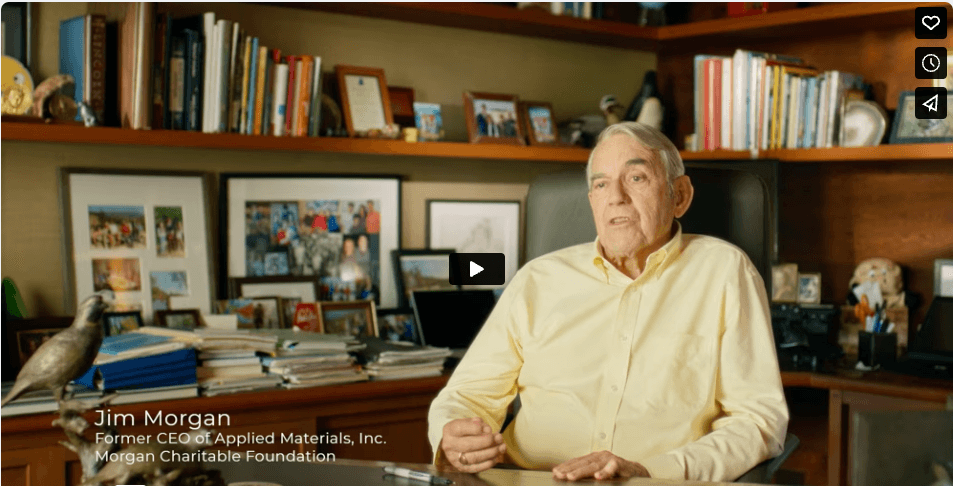
“You must plan to succeed. And you must plan… to succeed!”

— Jim Morgan
Prioritize and Focus chapter information

You must plan to succeed. And you must plan... to succeed!

— Jim Morgan

Insight downloads

Conversation Starter

Prioritize and Focus

A complete set of conversation starters to accompany the chapter.

Download Now

Toolkit

Prioritize and Focus Toolkit

A complete set of tools to accompany the chapter.

Download Now

8 Practical Insights for Nonprofit Leaders

01

Cultivating Culture

You will never change an organization's culture just by telling employees that the culture needs to change. You must take deliberate action to create and nurture the culture you want.

02

Respect and Trust Your People

To successfully lead a nonprofit you must cultivate a culture of trust and respect. Trust is born of respect, and it is the foundation of all good management.

03

Bad News is Good News

Always listen for and seek out signs of trouble. Use porpoising to gather information at all levels of your organization. Bad news is good news if you do something about it.

04

Develop Court Sense

In the nonprofit sector, court sense means understanding the environment that impacts your organization. Look up, look forward, and look around to anticipate problems and adjust your strategy.

05

The Whole Job

Your nonprofit has specific functions and processes, as well as regulations it must follow. A weakness in any operational area can negate successes in others.

06

Prioritize and Focus

Nonprofit boards and staff teams must prioritize and focus on the most important decisions and tasks. Taking time to plan creates a useful rhythm and routine.

07

Book It and Ship It

Planning is essential, but success comes from implementation. Book It and Ship It means making a decision, putting it in motion, and managing the consequences.

08

Who's Got the Monkey?

To create a culture of accountability, reinforce individual ownership of problems. Make sure responsibility stays clear and always ask who's got the monkey.