

Who's Got the Monkey? | Applied Wisdom for Nonprofits
Episode 08

Who's Got the Monkey? Podcast

To create a culture of accountability, reinforce individual ownership of problems. Make sure responsibility stays clear and always ask who's got the monkey.

View Course Module →

A culture of accountability

Nonprofit leaders are often overworked and under-resourced. As a result, staff problems can easily move up the chain of command. You need to create a culture of accountability to ensure that the only issues that land on your plate are the ones for which you hold clear responsibility.

In a culture of accountability, employees are more comfortable acknowledging reality, warts and all. They do not just wait for someone else to solve the problem or hope things improve or spend their time crafting excuses or pointing fingers at others. They take responsibility for finding solutions and improvements for the problems over which they have clear authority.


Organizational structure

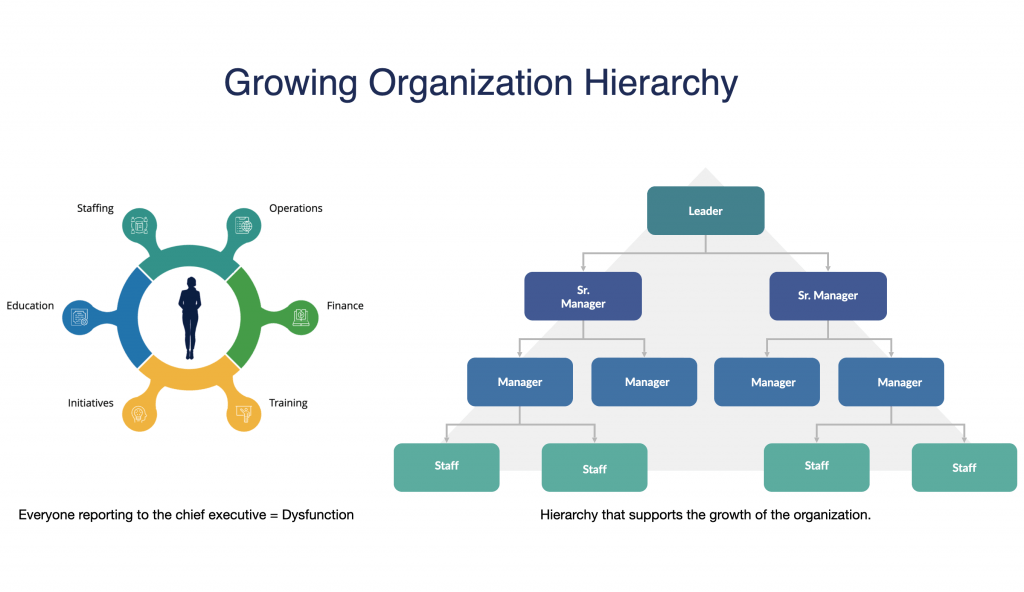
The job of a chief executive is to create an organizational structure with functional processes. When the number of staff exceeds a few, if everybody in the nonprofit is reporting to the top executive, dysfunction is inevitable. A good leader needs to be able to communicate that in a growing organization, hierarchy is a good thing. It speeds up decision-making.

To create a culture of accountability, reinforce individual ownership of problems. Always ask, “Who’s got the monkey?”

— Jim Morgan
Organizational structure chapter information

To create a culture of accountability, reinforce individual ownership of problems. Always ask, Who's got the monkey?

— Jim Morgan

Insight downloads

Conversation Starter

Who's Got the Monkey

A complete set of conversation starters to accompany the chapter.

Download Now

Toolkit

Who's Got the Monkey

A complete set of tools to accompany the chapter.

Download Now

8 Practical Insights for Nonprofit Leaders

01

Cultivating Culture

You will never change an organization's culture just by telling employees that the culture needs to change. You must take deliberate action to create and nurture the culture you want.

02

Respect and Trust Your People

To successfully lead a nonprofit you must cultivate a culture of trust and respect. Trust is born of respect, and it is the foundation of all good management.

03

Bad News is Good News

Always listen for and seek out signs of trouble. Use porpoising to gather information at all levels of your organization. Bad news is good news if you do something about it.

04

Develop Court Sense

In the nonprofit sector, court sense means understanding the environment that impacts your organization. Look up, look forward, and look around to anticipate problems and adjust your strategy.

05

The Whole Job

Your nonprofit has specific functions and processes, as well as regulations it must follow. A weakness in any operational area can negate successes in others.

06

Prioritize and Focus

Nonprofit boards and staff teams must prioritize and focus on the most important decisions and tasks. Taking time to plan creates a useful rhythm and routine.

07

Book It and Ship It

Planning is essential, but success comes from implementation. Book It and Ship It means making a decision, putting it in motion, and managing the consequences.

08

Who's Got the Monkey?

To create a culture of accountability, reinforce individual ownership of problems. Make sure responsibility stays clear and always ask who's got the monkey.