
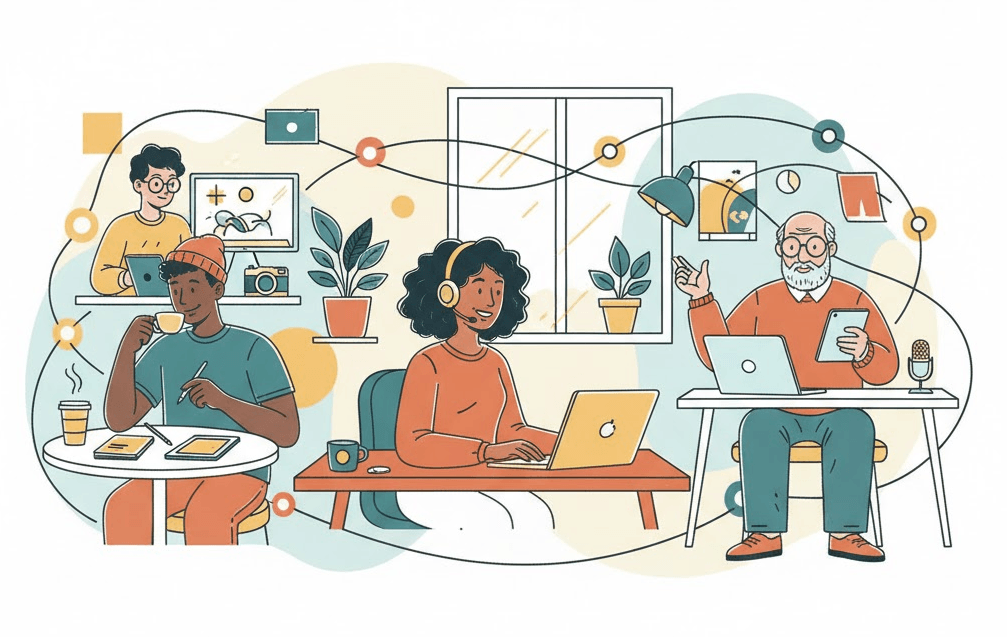

Since the COVID-19 pandemic, we’ve seen significant growth in the gig economy. It’s having a major impact on how American businesses operate. The gig economy can be beneficial for both parties. Companies get flexible access to wide and varied skills at a lower cost than full-time staff. Talented gig workers find job flexibility, and, via remote work, opportunities all over the U.S., and, in many cases, internationally as well. Gig workers with in-demand skills can earn more than they would in a full-time position.
Nonprofit organizations should be thinking about the gig economy as well — it could be as important to your organization as it is to for-profit companies.
Many talented professionals could help your organization but aren’t available for full-time hire. This includes grant writers, fundraising consultants, graphic designers, social media managers, database administrators, and event coordinators—people with the skills you need, available when you need them.
By tapping into the gig economy, nonprofits can access specialized expertise exactly when needed, without stretching already tight budgets. Just keep in mind that successfully integrating gig workers—especially those working remotely—requires thoughtful attention to team culture and communication.