

I like to remind people of what I call “The Cost of Perfect Information.” Time is wasted and opportunities are lost when people become fixated on having perfect information, rather than appreciating that there will never be enough information, nor will there always be perfect decisions.
That does not mean you should pursue long shots or ignore troubling data just to make sure you do something. You always want solid information, whether it’s about your client’s demographics, your program outputs and outcomes, or your nonprofit’s financial condition.
People agonize too long in making decisions, and then they don’t pay enough attention to managing the consequences. They neglect to establish contingency plans and milestones and then do an honest assessment of whether the plan is working as the organization reaches (or doesn’t reach) the milestones.
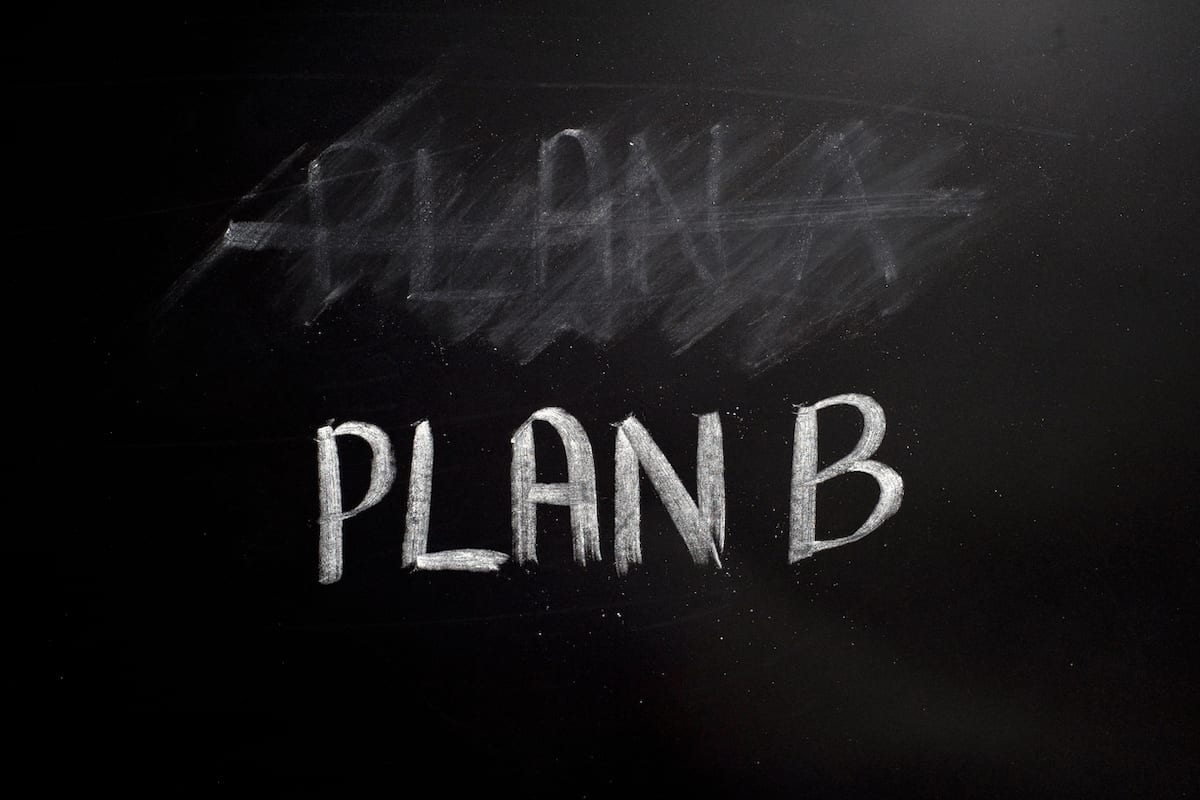
There will always be unexpected twists that can sabotage the best-laid plans, so having a Plan B at the ready is a sound practice. Then, once Plan A is in motion, be prepared to adjust and recalibrate to ensure success.
- Do you have a Plan B in place for your next project?
- What should your Plan B include?
Click below to watch this “under a minute” video, where nonprofit leader Michael Elliott challenges the notion of backup plans as less viable paths and encourages leaders to think through multiple possible scenarios when planning.